

Strengthwork
Conventional strength is measured by how much you can lift. Functional strength is measured by how fast you can produce force when it matters. We built the equipment to train the difference.
Strengthwork
Conventional strength is measured by how much you can lift. Functional strength is measured by how fast you can produce force when it matters. We built the equipment to train the difference.
Conventional strength is not functional strength.
Conventional weightlifting systems consider strength to be the ability to lift a maximal amount of weight in an unlimited amount of time and is often measured as 1 or 10 rep maximum. Squats, deadlifts, and cleans etc., which form part of these training systems, are done in an unlimited amount of time and not at the speed or angles at which the athlete's chosen sporting activity occurs.
This is therefore not a true reflection of the athlete's functional strength capacity. Functional strength is a product of muscle action initiated and orchestrated by the nervous system, under specific conditions.
In the majority of sports, it's the ability to produce and control force and power in a very small amount of time. The rate of force development therefore contributes much more to athletic ability than maximal strength.
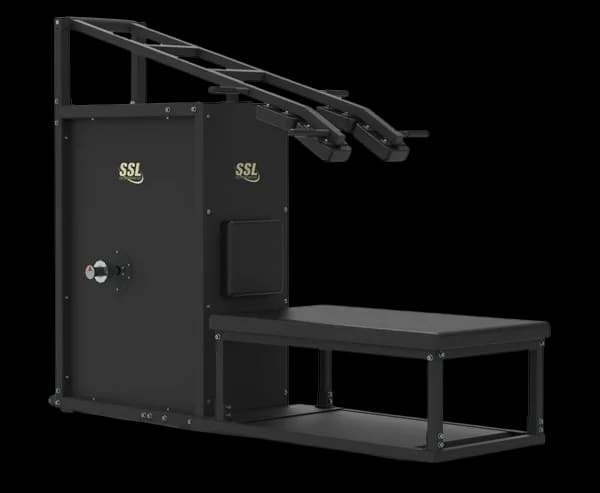
The Accelerated Isokinetic Machine
An isokinetic muscle contraction is one in which the muscle contracts and shortens at a constant and consistent rate of speed. While current technology allows for the production of such isokinetic force, these forces are not produced or measured in a functional movement pattern.
Also, the majority of sports require athletes to produce force that allows them to accelerate or build momentum, which current technology doesn't allow.
The resistance/opposing force created by the Accelerated ISO constantly matches that of the athlete (as conventional isokinetic machines does), but also allows for the athlete to accelerate the pace at which the force is applied, thereby making this type of training more applicable to sporting activities.
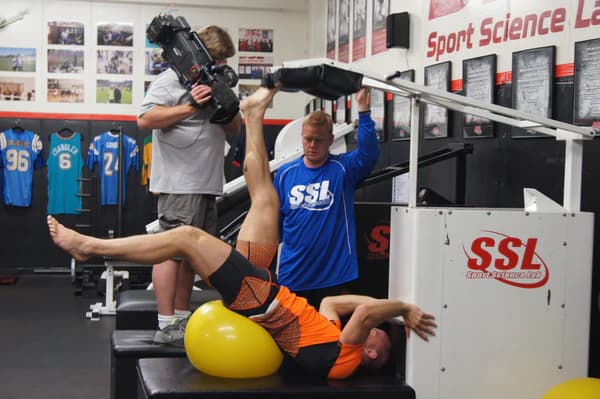
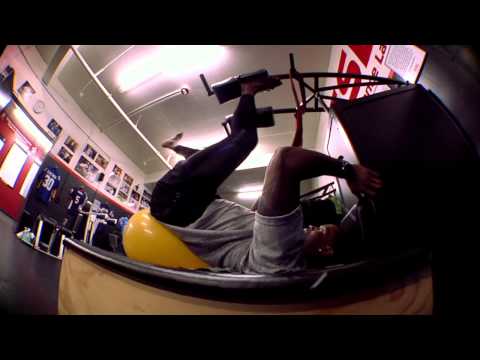
Built for how athletes actually move.
The SSL Strengthwork program takes numerous factors (joint angle, joint orientation, speed of movement, muscle group and type of movement) into account in an attempt to improve nine different types of functional strength. Training is progressed to SSL custom equipment.
Accelerated Isokinetic Machine
An isokinetic muscle contraction is one in which the muscle contracts and shortens at a constant rate of speed. Unlike conventional isokinetic machines, the Accelerated ISO constantly matches the athlete's force output while also allowing acceleration -- making training directly applicable to sporting activities where momentum and rate of force development are everything.
- Constant, matched resistance at any speed
- Allows acceleration and momentum building
- Train true rate of force development
- Perfect for rehabilitation
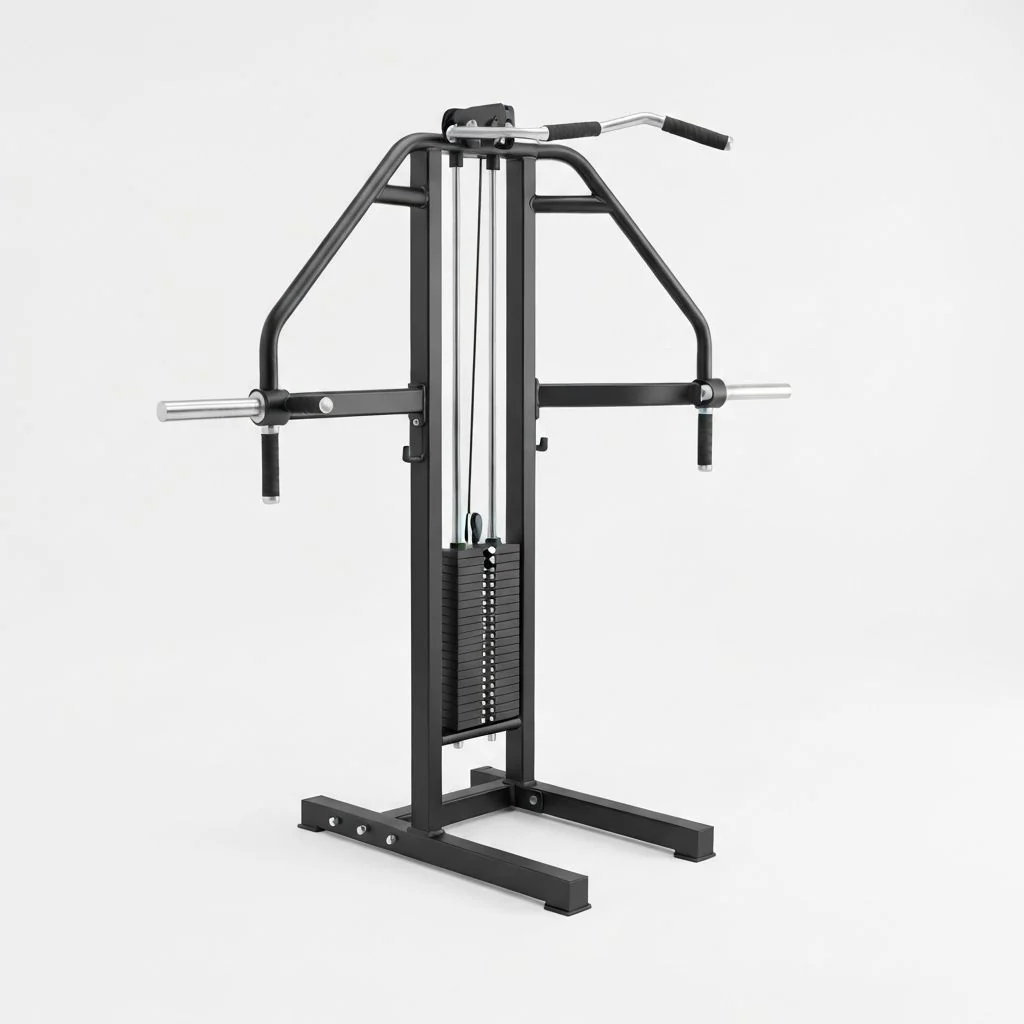
Plio Push Press
In contact sports like NFL, rugby, or UFC fighting, athletes must generate forces large enough to stop or drive opponents backward. The Plio Power-Press strengthens the upper and lower body in coordinated movement patterns, allowing athletes to create sufficient "push" type forces. Vertical and horizontal forces related to movements, including sprint starts, scrummaging, running, and diving, are trained. The posterior and superficial/deep back myofascial lines of the lower and upper limbs, respectively, are challenged by exercises on the Plio Power-Press.
- Plyometric push-press patterns
- Explosive upper body power
- Coordinated upper- and lower-body patterns for sport-specific “push” forces
- Vertical and horizontal forces for sprint starts, scrummaging, running, and diving; challenges posterior and superficial/deep back myofascial lines of the limbs
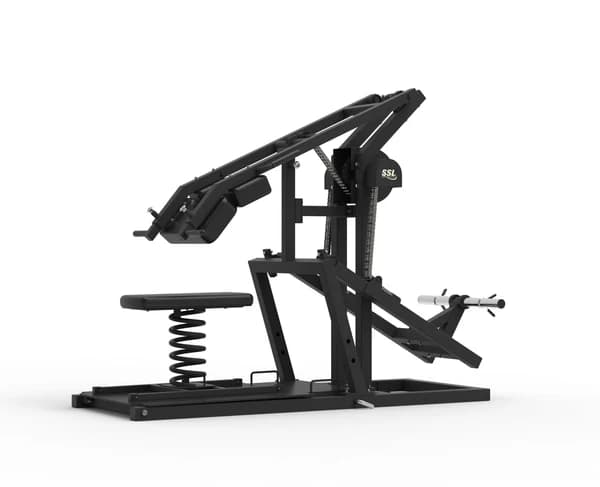
Plio
Training on the Plio (originally named the "Supercat") forms an essential part of the SSL strength and plyometric training regimes. The design allows for both constant and non-constant contact as well as upright and inverted type training. Upper and lower body movements that more so resemble cyclic activities (i.e., activities in which the eccentric phase precedes the concentric phase).
- Trains tendon strength
- Genuine plyometric training based on the shock method
- Trains the Stretch Reflex
- Build faster, more explosive athletes
Additional Equipment
Attacker
Rotational power and core anti-rotation
Oblique/Ab Bench
Targeted trunk stability and oblique strength
Glut/Ham Machine
Posterior chain eccentric and concentric power
Pilates Reformer
Used unconventionally for dynamic stabilization